Family Support Awareness Month: Open Adoption and Open Connection for Families Formed Through Foster Care Adoption
- Latest News
- February 4, 2026
Family Support Awareness Month: Open Adoption and Open Connection for Families Formed Through Foster Care Adoption
Family Support Awareness Month is an important opportunity to recognize a truth that many adoptive families already understand: children do not lose their first families, siblings, or extended relatives when they are adopted. In foster care adoptions, permanency provides safety, stability, and belonging, but it does not erase history. Open Adoption, or what we often call an Open Connection, honors a child’s full story and strengthens long-term well-being. At Let It Be Us we strongly believe in open connections, and openness in adoption, as a source of strength and wellbeing for each child and teen, as well as a source of strength and wellbeing for each adoptive family.
What Open Adoption / Open Connection Means in Foster Care
In foster care adoption, openness exists on a spectrum. It may include letters or photos exchanged through a caseworker, phone calls, supervised visits, shared life books, or ongoing contact with siblings, grandparents, parents, or other relatives when it is safe and appropriate. Research consistently shows that openness is not a single model, but rather a set of evolving practices that work best when they are child-centered, clearly defined, and flexible over time [1]. At Let It Be Us we have seen, first hand, the success of open adoptions and open connections and we believe it is our duty to advocate for the care and intention surrounding these important child-centered opportunities.
Why Open Connection Matters for Children and Teens
Decades of research demonstrate that children and adolescents benefit when they are allowed to integrate their adoption story openly. Studies have found that adoptive youth who experience open communication and contact report greater satisfaction with adoption, stronger identity development, and healthier emotional adjustment into adolescence and adulthood [2]. Openness helps reduce secrecy, confusion, and internal conflict, allowing children to ask questions and understand their story.
Sibling Relationships are Protective
Sibling bonds are often the longest-lasting relationships in a child’s life. Even when siblings cannot be placed together, maintaining contact can be a critical protective factor. Research shows that ongoing sibling connections contribute to emotional stability, identity formation, and resilience for children adopted from foster care [3].
In Illinois, the Department of Children and Family Services (DCFS) explicitly recognizes the importance of sibling relationships and provides guidance for Post-Permanency Sibling Contact Agreements, encouraging continued connection after adoption or guardianship whenever possible [4][5]. This reflects a growing understanding that permanency is strongest when sibling bonds are preserved.
The Role of Grandparents and Extended Family
For many adopted children, grandparents and extended relatives provide continuity of culture, family history, faith traditions, and personal identity. When it is safe, maintaining these relationships can reduce grief and loss and reinforce a sense of belonging. Open connections allow children to gain a larger, more supportive family network rather than feeling they must choose between families.
Ethics and Lifelong Commitment in Adoption
Ethical foster care adoption requires more than finalizing a legal decree. It requires a lifelong commitment to the child’s identity, relationships, and emotional needs. Open Adoption reflects several ethical principles:
- Honesty about a child’s history
- Respect for meaningful and safe family relationships
- Recognition of grief and loss as part of adoption
- Long-term responsibility that extends into adolescence and adulthood
Research also indicates that adoptive parents often report greater satisfaction and confidence when openness is present, and that birth relatives benefit when contact is respectful and reliable [1]. Openness is not a threat to attachment; when done well, it strengthens trust and security.
How Common is Open Adoption?
Nationally, openness has become common in domestic infant adoption, with most placements involving some degree of contact between adoptive and birth families [6]. Foster care adoption, however, historically involves lower levels of ongoing contact, even when such contact could be beneficial and safe [7]. This gap highlights the importance of intentional planning, education, and post-adoption support.
According to national AFCARS data, 46,935 children were adopted from foster care in the United States in FY 2024[8]. Each of these adoptions represents not just a legal milestone, but a lifelong journey that requires continued family support and relationship-centered care.
Illinois Context: Trust and Follow-Through Matter
In Illinois, post-adoption contact agreements with birth parents are generally not legally enforceable in the same way they are in some other states [9]. As a result, openness depends heavily on good-faith commitment, thoughtful planning, and child-centered decision-making. Illinois does, however, provide specific frameworks supporting post-permanency sibling contact, reinforcing the importance of maintaining these relationships whenever possible [4][5].
Let It Be Us: Supporting Open Connections
During Family Support Awareness Month, and every month, Let It Be Us affirms that family support is built through relationships. Open Adoption and Open Connection practices help preserve sibling bonds, honor extended family ties, and support healthy identity development for children and teens adopted from foster care. When children know their past is respected, they are better able to trust their future.
Permanency lasts longest when relationships are protected.
References
[1] Grotevant, H. D., McRoy, R. G., Wrobel, G. M., & Ayers-Lopez, S. (2008). Many faces of openness in adoption: Perspectives of adopted adolescents and their parents. Adoption Quarterly, 11(3–4), 79–101.
https://pmc.ncbi.nlm.nih.gov/articles/PMC2928480/
[2] Grotevant, H. D., et al. (2013). Contact between adoptive and birth families: Perspectives from the Minnesota/Texas Adoption Research Project. Child Development Perspectives, 7(3), 193–198.
https://pmc.ncbi.nlm.nih.gov/articles/PMC3743089/
[3] Ge, X., et al. (2008). Bridging the divide: Openness in adoption and post-adoption adjustment. Journal of Family Psychology, 22(4), 529–540.
https://pmc.ncbi.nlm.nih.gov/articles/PMC2638763/
[4] Illinois Department of Children and Family Services. Sibling visitation rights booklet.
https://dcfs.illinois.gov
[5] Illinois Administrative Code, Title 89, §309.135. Post-Permanency Sibling Contact Agreements.
https://www.law.cornell.edu/regulations/illinois/Ill-Admin-Code-tit-89-SS-309.135
[6] University of Connecticut Health Center. Openness in adoption.
https://health.uconn.edu/adoption-assistance/learn/openness-in-adoption/
[7] Neil, E. (2012). Making sense of adoption contact. Child & Family Social Work, 17(2), 157–169.
https://www.tandfonline.com/doi/abs/10.1080/10926755.2012.661333
[8] National Council For Adoption. Foster care and adoption statistics (AFCARS).
https://adoptioncouncil.org/article/foster-care-and-adoption-statistics/
[9] National Council For Adoption. Post-Adoption Contact Agreements (PACA): Illinois.
https://adoptioncouncil.org/paca-state-review/
About Let It Be Us:
Let It Be Us is a nonprofit organization dedicated to recruitment, matching and placement within foster care and adoption across the State of Illinois. Through innovative programming and strategic partnerships, Let It Be Us aims to improve outcomes for children in the child welfare system. Learn more at www.letitbeus.org.
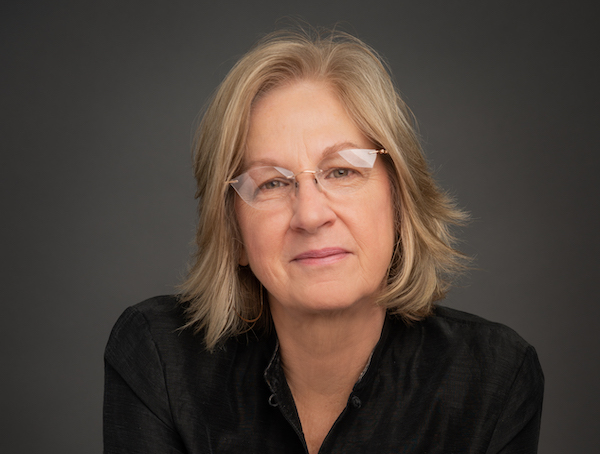
Dr. Susan A. McConnell is the Founder and Executive Director of Let It Be Us, an Illinois licensed child welfare agency with the mission of providing collaborative, innovative solutions of effective recruitment and placement within Illinois foster care and adoption. Susan has an MBA from DePaul University and a Doctorate Degree in Social Work from the University of Southern California, where her work focused on permanency within child welfare. She is the Chair of the Permanency Committee of the Illinois Statewide Foster Care Advisory Council, appointed by the Director of the Illinois Department of Children and Family Services (DCFS) in 2017. She is also an adoptive parent with over 30 years of open adoption experience. She can be reached at susanmcconnell@letitbeus.org.
Let It Be Us is an Illinois 501(c)3 and licensed child welfare agency. The mission of Let It Be Us is to provide collaborative, innovative solutions of effective recruitment and placement within Illinois foster care and adoption. The Let It Be Us platform manages the Adoption Listing Service of Illinois and the Heart Gallery of Illinois, engines of success for Illinois foster care adoptions. The Let It Be Us vision is for all children in the Illinois child welfare system to achieve educational equity, employment equity, and overall well being through the incorporation of Let It Be Us Programming into statewide advancements in foster care and adoption recruitment and placement. For more information about Let It Be Us, visit www.letitbeus.org.