
Back to School Means More Than New Backpacks: Why Children in Foster Care Need Stability All Year Long
- Foster Parent Education
- August 4, 2026

Back to School Means More Than New Backpacks: Why Children in Foster Care Need Stability All Year Long
As summer comes to an end, families across Illinois begin preparing for another school year. They shop for backpacks, label notebooks, compare class schedules, and capture those treasured first-day-of-school photos.
For most children, back-to-school season comes with a built-in support system. Parents help with homework. Someone asks how the first day went. A caregiver cheers from the sidelines at a soccer game or proudly hangs artwork on the refrigerator.
For many children in foster care, however, the start of a new school year looks very different.
Instead of worrying about which teacher they’ll have, they may be wondering where they’ll be living next month. Instead of picking out school supplies with a parent, they may be adjusting to a new foster home, a new community, or even a new school.
At Let It Be Us, we believe every child deserves the opportunity to succeed in school, and that begins with something every child needs: stability.
Why School Stability Matters
Education is one of the strongest predictors of a child’s long-term success. But for children experiencing foster care, simply getting to school each day can involve challenges many families never have to think about.
The Illinois Department of Children and Family Services (DCFS) cares for more than 16,000 children across the state each year, many of whom are school-aged. These children often face circumstances beyond their control, including separation from family, placement changes, and the emotional effects of trauma.
When a child changes foster homes, they may also have to change schools. Every move can mean leaving behind trusted teachers, close friends, extracurricular activities, and the routines that help children feel safe.
Research from the Annie E. Casey Foundation found that as many as three out of four children change schools when they first enter foster care, and approximately one in three older youth have attended five or more schools before graduating. Each school change increases the risk of academic setbacks, interrupted learning, and emotional stress.
For children who have already experienced significant loss, another disruption can feel overwhelming.
What Many Children Take for Granted
Think back to your own first day of school.
Maybe someone helped you pick out your backpack.
Maybe someone made your favorite breakfast.
Maybe someone reminded you to have a great day, asked how your classes went, or celebrated a good grade.
These moments may seem small, but they tell a child something incredibly important:
You matter. Someone is here for you.
Children in foster care deserve those moments, too.
Every child deserves someone who remembers picture day.
Someone who attends parent-teacher conferences.
Someone who helps with homework after a difficult day.
Someone who knows their favorite subject, celebrates their accomplishments, and encourages them when learning becomes difficult.
These everyday moments build confidence, resilience, and a sense of belonging.
Illinois Is Investing in Educational Success
Illinois recognizes that educational stability is essential to a child’s well-being.
Through its Office of Education and Transition Services (OETS), DCFS provides educational advocacy and support for youth in care, including enrollment assistance, tutoring, special education advocacy, workforce preparation, post-secondary planning, and other services designed to help students stay on track academically. Their vision is simple: help every youth in care “Get on Track and Stay on Track.”
Illinois also partners with Northern Illinois University’s Education Access Program, which places education advisors throughout the state to work directly with caregivers, caseworkers, and schools whenever a student experiences placement changes, attendance concerns, or academic challenges.
State policy further emphasizes educational stability by requiring reasonable efforts to keep children enrolled in school quickly after placement changes and, whenever it is in the child’s best interest, allowing them to remain in their current school to maintain important relationships and routines.
These efforts recognize what research has consistently shown:
Children thrive when the adults around them work together to provide consistency.
Schools Can Be Places of Healing
For many children in foster care, school becomes much more than a place to learn math or reading.
It becomes a place where trusted adults notice when something feels wrong.
Where friendships provide comfort.
Where routines offer predictability during uncertain times.
Organizations like iCARE for Adoptive and Foster Families, a collaborator of Let It Be Us, are helping schools better support students from foster, adoptive, and kinship families through their Adoption & Foster Friendly Schools™ initiative. The program equips educators with practical tools and trauma-informed strategies to create classrooms where every child feels safe, supported, and ready to learn.
When educators understand the unique experiences of children in foster care, schools become places of healing, not just education.
How Foster Parents Make a Difference
While teachers play an extraordinary role, they cannot replace the consistency of a caring family.
Foster parents do much more than provide a safe place to sleep.
They pack lunches.
They sign permission slips.
They attend concerts and sporting events.
They help with science projects.
They celebrate report cards.
They encourage children after difficult days.
Most importantly, they show up – day after day.
That consistency can change a child’s educational journey and help them believe in their own future.
How Let It Be Us Is Helping
At Let It Be Us, we recruit and support foster and adoptive families across Illinois because every child deserves someone who believes in them.
Whether it’s helping a child remain connected to their school community, recruiting families willing to open their hearts and homes, or sharing the stories of waiting children through the Heart Gallery of Illinois, our mission is rooted in creating opportunities for children to experience the stability every child deserves.
As children prepare to head back to school this year, many will walk through those classroom doors knowing exactly who will be waiting for them at the end of the day.
Thousands of children in foster care are still waiting for that person.
They aren’t just waiting for school supplies.
They’re waiting for consistency.
They’re waiting for encouragement.
They’re waiting for someone who believes in their potential.
They’re waiting for a family.
This Back-to-School Month, consider how you can make a lasting difference in the life of a child. Whether you’re interested in becoming a foster parent, learning about adoption, or simply sharing our mission with others, you can help ensure that more children across Illinois have the support system every student deserves.
Because every child deserves someone waiting at the bus stop.
References
- Illinois Department of Children and Family Services. Reports and Statistics. https://dcfs.illinois.gov/contact-us/media-room/reports.html
- Illinois Department of Children and Family Services. Education Resources for Youth in Care. https://dcfs.illinois.gov/brighter-futures/growing-minds.html
- Illinois Department of Children and Family Services. K-12 Education Services. https://dcfs.illinois.gov/brighter-futures/growing-minds/k-12-education-services.html
- Illinois Department of Children and Family Services. Annual Progress and Services Report (FY2026). https://dcfs.illinois.gov
- Illinois Administrative Code, Part 314 – Educational Services. https://www.ilga.gov/ftp/JCAR/AdminCode/089/089003140000300R.html
- The Annie E. Casey Foundation. Sustaining Momentum: Lessons on Improving Educational Stability for Children in Foster Care. https://www.aecf.org/resources/sustaining-momentum
- U.S. Government Accountability Office. Foster Care: Education Could Help States Improve Educational Stability for Youth in Foster Care. https://www.gao.gov/products/gao-19-616
- iCARE for Adoptive and Foster Families. Adoption & Foster Friendly Schools™. https://icare4aaff.org/adoptionandfosterfriendlyschools-2026/
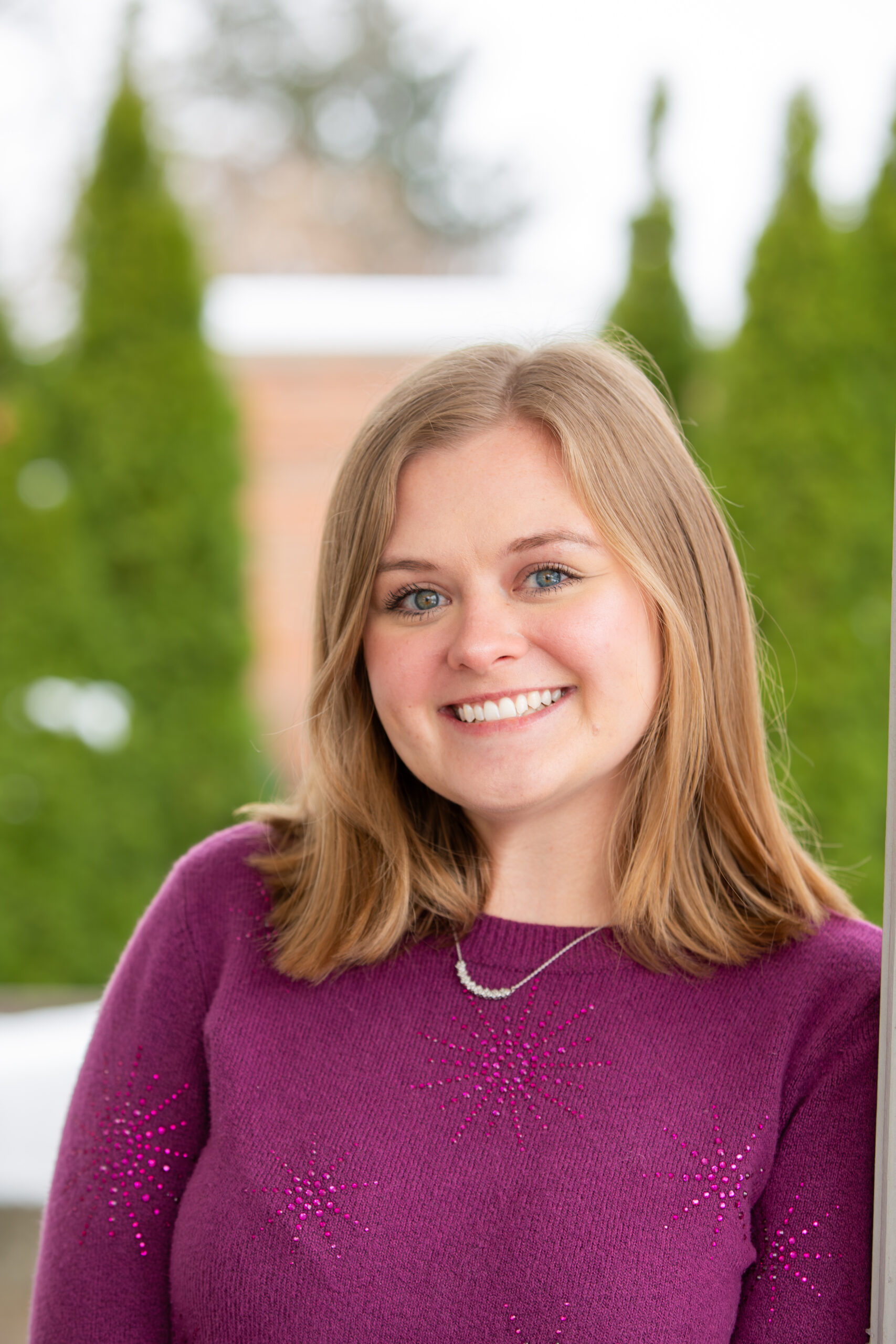
Marketing and Technology Specialist & Recruitment Event Manager
Daisy holds a Bachelor’s Degree in Public Relations from DePaul University. She has experience as a creative strategist specializing in social media management, content creation, and digital marketing. She is equipped with cutting-edge knowledge in Google Analytics and consumer behavior used to develop visionary marketing campaigns that drive brand growth. Daisy’s strong marketing background will support the Let It Be Us Adoption Listing Service leadership in Illinois child welfare.




0 Comments